Identity Verification vs Background Checks: What’s the Difference?
 Wednesday, February 25, 2026
Introduction to Identity Verification vs Background Checks
When businesses think about hiring or onboarding, they often ask: Identity Verification vs Background Checks what’s the real difference? While both processes are essential for risk management, they serve distinct purposes. Understanding how they work together can protect organizations from fraud, ensure compliance, and build trust.
At first glance, these processes might seem interchangeable. However, identity verification confirms that a person is who they claim to be. A background check investigates a person’s history. One confirms identity. The other examines behavior.
In today’s digital-first environment, where remote hiring and online transactions dominate, knowing the difference isn’t just helpful — it’s critical.
What Is Identity Verification?
Identity verification is the process of confirming that an individual’s claimed identity matches official records. In simple terms, it answers the question: Is this person really who they say they are?
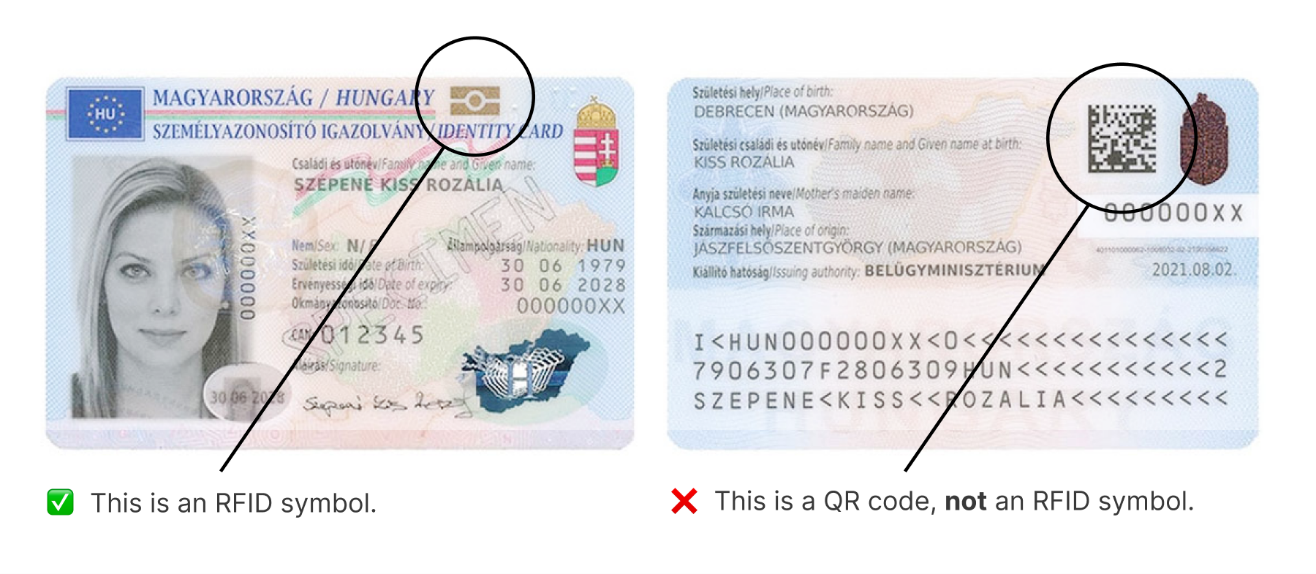
Identity verification typically happens at the start of an interaction. For example:
- Opening a bank account
- Applying for a job
- Signing up for financial services
- Accessing secure systems
Types of Identity Verification Methods
Organizations use several methods:
- Document Verification
Government-issued IDs such as passports and driver’s licenses are reviewed. - Biometric Verification
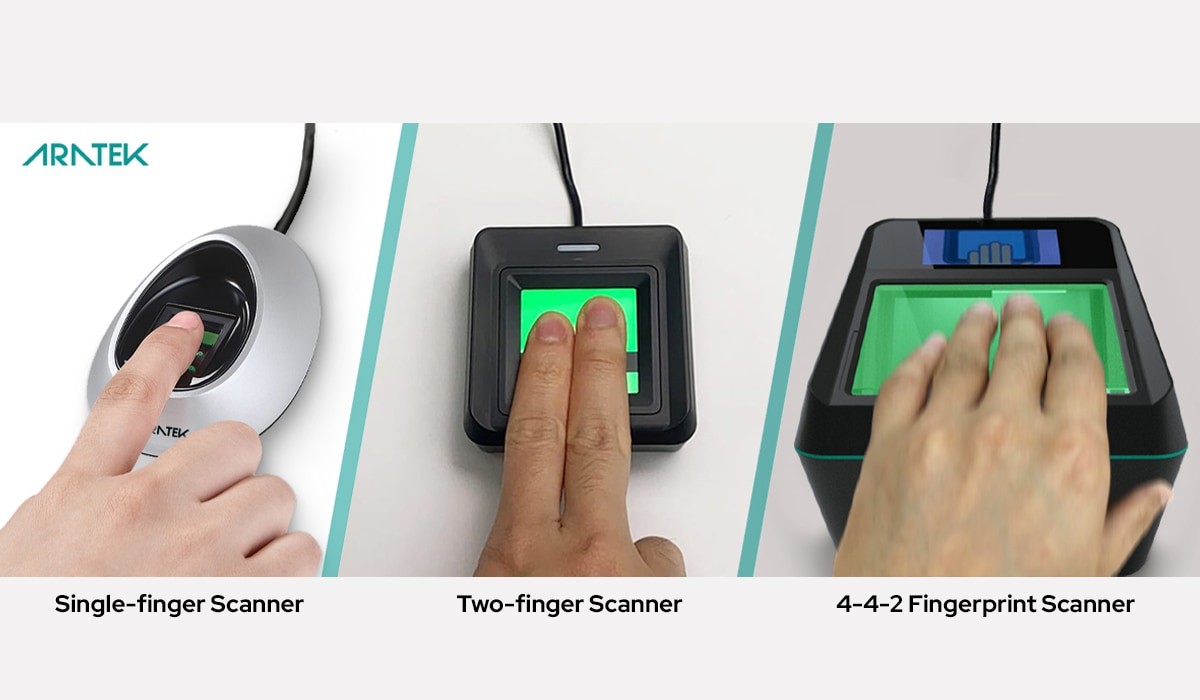
Facial recognition, fingerprints, or iris scans confirm uniqueness. - Database Verification
Personal information is cross-checked with official databases. - Two-Factor Authentication (2FA)
A password combined with a one-time code.
These methods reduce fraud and protect sensitive data.
Why Identity Verification Matters in Today’s Digital World
Cybercrime is on the rise. According to the FBI’s Internet Crime Complaint Center (IC3), online fraud costs billions annually. Strong identity verification systems reduce impersonation, identity theft, and unauthorized access.
Moreover, regulations like the Know Your Customer (KYC) requirements under the Financial Crimes Enforcement Network demand strict identity checks in financial services.
In short, identity verification builds trust. And trust fuels business growth.
Identity Verification vs Background Checks: Key Differences Explained
Now let’s dive into the heart of the matter: Identity Verification vs Background Checks.
| Feature | Identity Verification | Background Checks |
| Purpose | Confirm identity | Review history |
| Timing | Beginning of process | After identity confirmed |
| Scope | Present identity | Past behavior |
| Speed | Instant to minutes | Hours to days |
| Legal Focus | Anti-fraud laws | Employment & compliance laws |
Purpose and Scope
Identity verification prevents fraud. Background checks assess risk.
Timing in the Hiring Process
Identity verification occurs first. There’s no point checking someone’s history if you don’t know who they are.
Background checks usually happen after a job offer is made.
Legal and Compliance Requirements
Employers must comply with laws like the Fair Credit Reporting Act when conducting background checks. This ensures fairness and transparency.
Benefits of Identity Verification
Identity verification delivers powerful advantages:
- Prevents identity fraud
- Reduces onboarding risks
- Ensures regulatory compliance
- Protects brand reputation
- Enables secure digital transactions
Businesses that invest in strong verification systems often see fewer fraud losses and stronger customer trust.
Moreover, digital verification speeds up onboarding. Customers don’t want delays — they want convenience. And modern tools provide both speed and security.
When Should You Use Identity Verification vs Background Checks?
Here’s the truth: it’s not about choosing one over the other. It’s about using both strategically.
Use identity verification when:
- Onboarding customers
- Opening financial accounts
- Granting secure access
- Hiring remote employees
Use background checks when:
- Hiring new employees
- Screening tenants
- Approving financial lending
- Working with vulnerable populations
In many cases, businesses combine both processes for maximum protection.
Risks of Skipping Either Process
Skipping identity verification can lead to:
- Fraud
- Data breaches
- Regulatory fines
Skipping background checks can lead to:
- Workplace violence
- Fraudulent employees
- Legal liability
In short, cutting corners may save time today but cost millions tomorrow.
The Role of Technology in Modern Screening
Technology has revolutionized screening.
AI-powered identity verification can confirm a person’s identity in seconds. Meanwhile, automated background checks access databases instantly.
Companies now use machine learning to detect fake documents, deepfakes, and identity fraud patterns.
For more insights into digital security trends, visit the official site of the National Institute of Standards and Technology at https://www.nist.gov.
The future of screening is fast, secure, and data-driven.
FAQs
- Is identity verification the same as a background check?
No. Identity verification confirms who someone is. A background check reviews their history.
- Can you run a background check without identity verification?
Technically yes, but it’s risky. If the identity is false, the results won’t be accurate.
- Are background checks required by law?
In some industries, yes. Compliance laws may require screening.
- How long does identity verification take?
Digital systems can verify identities in seconds to minutes.
- Do background checks show credit scores?
Credit checks may show financial history but not always full scores.
- Which is more important: identity verification or background checks?
Both are important. They serve different purposes and work best together.
Conclusion
Understanding Identity Verification vs Background Checks is essential for any organization that values security, compliance, and trust.
Identity verification confirms who a person is. Background checks evaluate their past behavior. Together, they create a powerful defense against fraud, negligence, and risk.
In today’s world, where digital interactions dominate and security threats evolve daily, businesses can’t afford to ignore either process. By implementing both strategically, organizations build safer environments, protect their reputations, and foster long-term success.


